

Content Marketing vs. Content Creation: Why the Difference Drives Business Growth
Every business owner has heard the advice by now: “You need more content.” So, they hire a videographer, post daily on Instagram, write a blog nobody reads, and wonder why none of it moves the needle on sales.
The problem usually isn’t a lack of effort. It’s a confusion between two things that sound similar but behave very differently: content creation and content marketing. Understanding the gap between them is one of the most important shifts a growing brand can make, and it’s the distinction that separates businesses that build lasting audiences from those that simply generate noise.
The Difference Between Raw Material and Strategy
Content creation is the act of making things: promotional videos, graphics, reels, and podcasts. It is the raw material.
Content marketing is the strategic layer that decides what gets made, why it gets made, who it is for, and what it is supposed to achieve. A business can create a hundred pieces of content in a month and still have no content marketing to speak of, because nothing is tied to a customer journey, a business goal, or a measurable outcome.
This is precisely why so many companies feel like they are “doing content” without seeing any real return. As HubSpot’s research on documenting a content marketing strategy has shown, businesses that write down a clear strategy are far more likely to see it drive results than those that create content ad hoc. Strategy forces every piece of content to answer one crucial question: What is this actually for?

Activity Without a Destination
Consider the typical small business social media page. It’s full of pretty product photos, the occasional customer testimonial, and maybe a meme for engagement. It looks active. But if you ask the business owner what percentage of their sales came from that page last quarter, most cannot answer. That is content creation without content marketing activity without a destination.
A content marketing approach starts from the opposite end. It begins with the customer’s actual questions and hesitations. It maps out what a prospect needs to see and understand before they are ready to buy and only then decides on formats.
Sometimes the strategy demands a whiteboard animation with a targeted voiceover script to explain a complex B2B workflow. Sometimes it requires a comprehensive website overview blog, and sometimes it’s a carefully structured digital caption framework for a short-form video. The format serves the strategy, not the other way around.
The Nigerian Context: Competing for Fragmented Attention
This distinction matters even more in markets like Nigeria and across Africa, where digital audiences are growing rapidly but attention is more fragmented than ever.
Statista’s data on social media in Nigeria shows a market where mobile-first consumption dominates, with smartphones accounting for the large majority of how people get online. Brands are competing not just with each other, but with an endless scroll of entertainment, news, and personal content. In that environment, content that isn’t strategically built to interrupt, inform, and convert simply gets lost. Volume alone is not a strategy; it is a cost center.
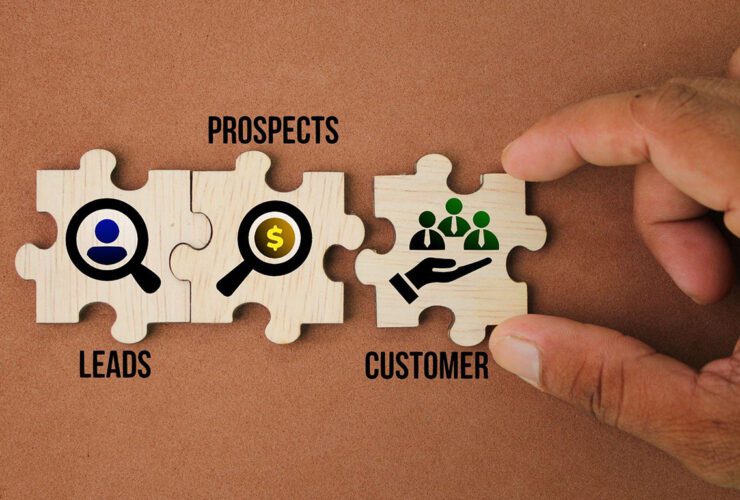
The Three Layers of a Content Funnel
A properly built content marketing function usually has three layers working together. Most businesses only ever produce the first layer, and even that without much strategic thought, which is why growth so often plateaus.
- Awareness Content (Top of Funnel): Material designed to be discovered by people who don’t yet know your brand exists. This is where SEO-optimized blog posts, useful industry guides, and highly shareable social content live.
- Consideration Content (Middle of Funnel): Case studies, product comparisons, detailed pitch decks, and behind-the-scenes looks at how you work. This helps a prospect who is already aware of you decide whether you are the right fit.
- Retention and Advocacy Content (Bottom of Funnel): Material aimed at existing clients that keeps them engaged, encourages repeat purchases or contract renewals, and turns them into referral sources.
Measurement: Defining Success Up Front
There is a measurement problem baked into pure content creation. If you don’t know what a piece of content is supposed to achieve, you can’t know whether it worked.
A content marketing approach defines success before the brief is even written. Is this post meant to generate leads, build trust, drive traffic to a landing page, or support a paid campaign? Once that is defined, you can actually track click-through rates, time on page, conversion rates, or assisted conversions. Think with Google’s guidance on measurement strategy makes the case that the marketers who tie their activity to company-wide outcomes like revenue consistently outperform those chasing vanity numbers such as likes and views.
The Discipline of Resource Allocation
Content creation without a strategic filter tends to spread a marketing budget thin across many mediocre efforts: a bit of video, a bit of blogging, and a bit of paid boosting, none of it tied together.
A strategic approach concentrates resources on the formats and channels that the data shows are actually working for a specific audience. It means saying no to content ideas that feel exciting but don’t serve the strategy. This kind of disciplined resource allocation separates content marketing that compounds into real growth from content creation that simply keeps a calendar full.
Pro-Tip: Internal linking is a small but critical part of your strategy. Tying a blog post back to relevant service pages doesn’t just help a reader navigate; it signals to search engines which pages matter most, strengthening your site’s overall SEO structure.
Moving from Reactive Posting to Strategic Planning
This shift takes discipline, especially for founder-led businesses where marketing decisions are often made reactively: a competitor posts something, so you post something similar; a trend goes viral, so you jump on it. There is nothing wrong with reactive, trend-responsive content, but it should be the seasoning, not the meal.
A practical marker of this shift is the existence of a content calendar built around themes and objectives rather than a simple publishing schedule. A publishing schedule tells you Tuesday is for a product post. A strategic calendar tells you why Tuesday’s post exists, what broader campaign it supports, and how it links back to a specific stage in the sales funnel.
Why Expert Management Matters
Skilled creation is what makes a strategy tangible; a brilliant content strategy executed with mediocre creative still underperforms. But creation without strategy is like building a beautiful car with no engine. It looks the part, but it doesn’t go anywhere.
At Accret Experience, content strategy and production are treated as one connected discipline. From planning what needs to be said to the actual creative execution of video, design, and copy, we handle it as a single, results-focused workflow.
If your brand has been creating consistently but growth has stalled, the answer usually isn’t to create more. It is to build the strategic layer that was missing all along. Discover how we structure this process by exploring our Content Strategy & Production services, or reach out directly for a tailored assessment.